

Dog Dental Cleaning
Brushing your dog’s teeth is helpful, but it’s not enough on its own. Over time, plaque and tartar build up in places a toothbrush can’t reach. That’s where professional dog dental cleaning comes in. At Warrick Veterinary Clinic in Warrick County, we provide full oral exams and cleanings that go below the gum line to target the real source of dental disease. If your dog’s breath smells worse than usual or they’ve started avoiding hard food and chew toys, it might be time for a deeper look. In this blog, we’ll explain what dog dental cleaning involves, why it matters, and how it supports your pet’s quality of life. If you have questions or want to schedule a dental check, call us at (812) 897-4855.
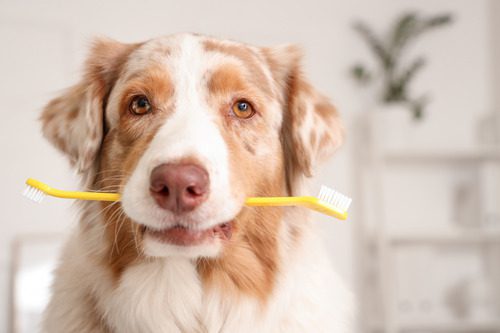
Why Dog Dental Cleaning Matters
Dogs can’t tell you when something hurts, but dental issues are one of the most common sources of pain they face. Plaque buildup, infected gums, and damaged teeth often go unnoticed until the problem becomes severe. Regular dog dental cleaning gives your veterinarian a chance to evaluate your dog’s oral health in detail and remove harmful bacteria hiding below the surface. Untreated dental disease can lead to tooth loss, chronic discomfort, and even problems with your dog’s internal organs. That’s because the bacteria in the mouth can enter the bloodstream and affect the heart, liver, and kidneys. Scheduling professional cleanings can help prevent this chain reaction and extend your dog’s healthy years.
What Happens During a Dog Dental Cleaning
A professional dog dental cleaning is far more thorough than any at-home routine. It involves a complete oral examination under anesthesia and specialized tools to safely clean every part of each tooth.
Physical Exam and Pre-Anesthetic Testing
Before the dental cleaning begins, your dog will receive a full physical exam. Your veterinarian will also recommend pre-anesthetic blood work to assess organ function and ensure it’s safe to proceed. These steps help us minimize risk and tailor the anesthesia plan to your dog’s individual needs.
Dental Radiographs (X-Rays)
X-rays allow the veterinary team to evaluate the roots of the teeth and supporting bone structure. Many problems like abscesses, root fractures, or bone loss occur below the gum line and aren’t visible during a visual exam. Dental radiographs provide a clear picture of what’s happening beneath the surface.
Scaling, Polishing, and Charting
Once your dog is safely under anesthesia, a veterinary technician or veterinarian will use ultrasonic and hand tools to remove plaque and tartar from all surfaces of the teeth, including below the gum line. After scaling, the teeth are polished to smooth the enamel and reduce the risk of future buildup. Each tooth is also charted to document any abnormalities and help track your pet’s oral health over time.
Treatment for Problem Areas
If any teeth are loose, fractured, or diseased, your veterinarian will discuss next steps with you. In some cases, extractions or further treatment may be needed. This is always done with your dog’s comfort and long-term health in mind.
Common Signs Your Dog May Need a Dental Cleaning
Some signs of dental trouble are easy to miss. Dogs don’t always show discomfort, but there are subtle clues you can watch for at home.
Bad Breath That Doesn’t Go Away
A little doggy breath is normal, but a strong, unpleasant odor could signal a deeper issue. Chronic bad breath is one of the most common signs of plaque buildup and oral infection.
Red, Swollen, or Bleeding Gums
If your dog’s gums look inflamed or bleed when they chew toys or eat, it may indicate gingivitis or more advanced periodontal disease. Early treatment helps prevent tooth loss and other complications.
Reluctance to Eat or Chew
Painful teeth or gums can make your dog hesitant to eat hard food, play with chew toys, or pick up objects. You may notice your dog chewing on one side of the mouth or dropping food while eating.
Loose Teeth or Changes in the Mouth
Any visible changes like loose or missing teeth, discolored teeth, or growths in the mouth should be examined by a veterinarian. These may point to serious dental problems that need immediate care.
How Often Should Your Dog Get a Dental Cleaning?
The ideal dental cleaning schedule depends on your dog’s age, breed, lifestyle, and oral health history. In general, most dogs benefit from a professional dental cleaning once a year. Small breeds and dogs prone to dental disease may need more frequent care. Your veterinarian will help determine the right timeline based on your pet’s exam results and dental history. Routine cleanings, combined with at-home care, help control plaque and maintain your dog’s comfort and wellbeing long-term.
At-Home Dental Care Between Cleanings
While professional cleanings are essential, at-home dental care supports your dog’s oral health between visits. Daily or regular brushing, dental treats, and approved chew toys can all help reduce plaque and slow tartar buildup.
- Brushing Your Dog’s Teeth: Using a dog-specific toothbrush and toothpaste, gently brush your dog’s teeth at least a few times per week. Start slow, and reward your dog with praise or treats to make it a positive experience. If you’re unsure how to start, your vet team can show you proper technique during your visit.
- Dental Treats and Chews: Not all dental products are created equal. Look for treats and chews approved by the Veterinary Oral Health Council (VOHC), which indicates that they meet standards for reducing plaque and tartar.
- Rinses and Water Additives: Dental rinses or water additives can provide added protection by reducing bacteria in the mouth. While these products don’t replace brushing or cleanings, they can be a helpful supplement in your dog’s oral hygiene routine.
Call Warrick Veterinary Clinic to Schedule Your Dog’s Dental Cleaning
Your dog deserves a clean, pain-free mouth and you deserve peace of mind. Dog dental cleaning isn’t just about fresh breath; it’s a preventive step that supports your pet’s health from the inside out. If you’ve noticed signs of dental disease or it’s been more than a year since your dog’s last oral exam, we’re here to help. Call Warrick Veterinary Clinic in Warrick County today at (812) 897-4855 to schedule your dog’s dental cleaning or request more information about our dental care services. We’re here to support you in every step of your dog’s health journey.